Evidence-Based Autism Treatment: ABA’s Role in Real-World Progress
Applied Behavior Analysis (ABA) has long been recognized as one of the most robust and evidence-based autism treatment approaches, especially for children diagnosed with autism spectrum disorder (ASD). While no single method fits every individual, ABA therapy for autism consistently demonstrates meaningful gains in communication, social understanding, self-help skills, and independence. For families navigating early intervention autism services or choosing among behavioral therapy techniques, understanding how ABA translates into real-world outcomes is essential.
At its core, ABA is a scientific approach to understanding and improving behavior. It uses measurable goals, systematic instruction, and data-driven decisions to teach new skills and reduce barriers to learning. This structure isn’t about rote compliance; rather, it’s designed to create meaningful improvements in day-to-day life—helping a child ask for what they need, tolerate changes in routine, play with peers, or navigate classroom expectations. The strength of ABA lies in its precision: goals are individualized, progress is tracked, and strategies are adjusted based on objective data.
How ABA Supports Skill Development and Generalization
One common misconception is that ABA only happens at a tabletop with flashcards. In practice, high-quality ABA therapy for autism is embedded in real-life contexts—home routines, school environments, community outings—so that learning generalizes beyond the therapy setting. Skill development programs might target communication (requesting help, initiating conversation), daily living (dressing, toothbrushing), social interaction (turn-taking, joint attention), and self-regulation (waiting, coping strategies). Therapists break complex skills into teachable steps, practice them in natural environments, and use positive reinforcement to strengthen success.
Positive reinforcement is a cornerstone of behavior modification therapy. Rather than punishing undesired actions, practitioners focus on reinforcing the behaviors we want to see more of—like using words instead of tantrums or making eye contact when greeting others. Reinforcers are individualized and can range from praise and tokens to access to favorite activities. Over time, ABA providers fade prompts and external rewards, carefully shaping independence so that the child’s own success and natural outcomes become the primary motivators.
Evidence Base and Outcomes
ABA is one of the most extensively researched approaches for autism spectrum disorder (ASD). Decades of peer-reviewed studies have shown that ABA-based strategies can lead to improvements across language, cognitive functioning, adaptive behavior, and social skills. While results vary—each child’s profile is unique—meta-analyses and long-term follow-ups consistently report positive effects when programs are well-designed, intensive, and implemented with fidelity.
Early intervention autism services are especially associated with stronger outcomes. When ABA starts early—often between ages 2 and 6—children may reach developmental milestones such as first words, toilet training, and early academic readiness at a faster pace. That said, ABA is not only for young children; adolescents and adults on the spectrum can benefit from behavioral therapy techniques focused on vocational readiness, community living, social relationships, and coping strategies for anxiety or sensory challenges.
Designing Individualized, Meaningful Programs
Effective ABA respects individuality and family priorities. A good program begins with a functional assessment to understand why behaviors occur—what triggers them and what maintains them. Instead of viewing behavior as “good” or “bad,” behavior analysts ask: What purpose is the behavior serving? For example, a child might engage in challenging behavior to escape a difficult task or to gain attention. Based on this understanding, a behavior intervention plan teaches functionally equivalent, more appropriate ways to get those needs met—like requesting a break or asking for help.
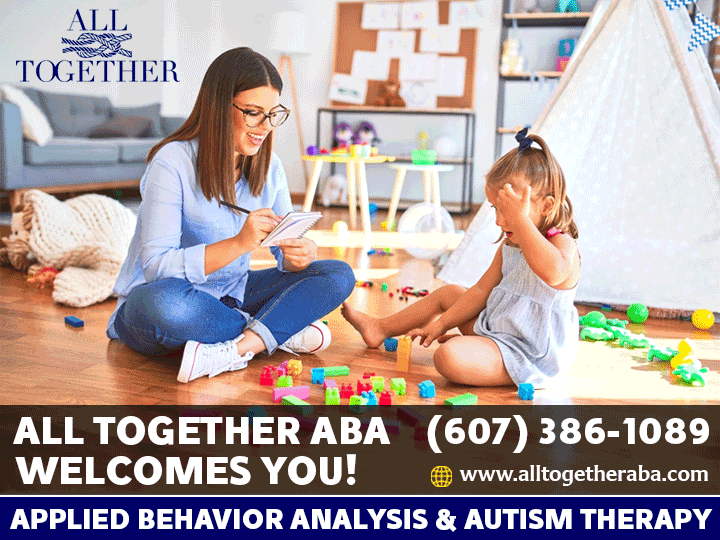
Collaboration is vital. Families and caregivers are integral to ABA therapy for autism; their insights guide goal selection and ensure strategies are practical within daily routines. Parent coaching is often part of skill development programs, equipping caregivers with behavioral therapy techniques they can use during mealtimes, bedtime, or community outings. When everyone uses consistent strategies, progress tends to accelerate and maintain.
Ensuring Quality and Ethics in ABA
Quality ABA is not one-size-fits-all, and it should never be coercive. Reputable providers prioritize assent and engagement, creating learning environments where the individual is motivated and respected. Treatment plans should be culturally responsive, incorporate the person’s interests, and minimize intrusive procedures. Look for programs supervised by Board Certified Behavior Analysts (BCBAs) who rely on ongoing data to guide decisions and who collaborate with speech-language pathologists, occupational therapists, and educators as needed.
Ethical practice also means setting goals that are meaningful to the individual and family—not simply pursuing compliance. For instance, teaching independent communication, building friendships, or increasing participation in preferred activities are goals that improve quality of life. Individuals should have a voice in their goals as ability allows, and plans should evolve as needs and https://aba-therapy-growth-paths-growth-minded-real-results.lucialpiazzale.com/consistency-counts-behavioral-improvements-through-aba preferences change.
From Clinic to Classroom to Community
Real-world progress happens when skills transfer across settings. ABA providers often coordinate with schools to align behavior support plans and instructional strategies. In classrooms, techniques like task analysis, visual supports, differential reinforcement, and errorless learning can help students meet academic and behavioral expectations. In the community, therapists might practice grocery shopping, ordering at a restaurant, or crossing the street safely—each broken into smaller steps and reinforced along the way.
Data collection doesn’t stop at the clinic door. Therapists and caregivers monitor how often skills occur in natural environments and adjust supports accordingly. If a child can request help during therapy but not at home, the team might add visual prompts near challenging tasks, practice with familiar caregivers, or modify reinforcers to better match the home setting.
Measuring Meaningful Change
Progress in ABA is measured both quantitatively and qualitatively. Quantitative data might track the frequency of spontaneous communication, the duration of on-task behavior, or the number of steps completed independently in a morning routine. Qualitative feedback from families and teachers adds context—Has tantruming decreased during homework time? Is the child more confident on the playground? When data and lived experience converge, teams can be confident they’re moving toward meaningful developmental milestones.

Choosing a Provider
When evaluating ABA therapy for autism, consider the following:
- Credentials and supervision: Is a BCBA designing and overseeing treatment? How often do they observe sessions and update goals? Individualization: Are goals tailored to the person’s strengths, challenges, and interests? Parent involvement: Does the program offer training and collaboration so strategies work at home and school? Generalization planning: How will the team ensure skills transfer beyond therapy sessions? Transparency: Are progress data shared regularly, and is the plan adjusted based on outcomes?
ABA Within a Comprehensive Care Plan
ABA is often one component of a broader support system. Speech therapy, occupational therapy, social skills groups, and mental health services can complement behavior modification therapy. Effective teams coordinate care, reduce duplication, and align on shared goals like communication, self-advocacy, and independence. The ultimate aim is a cohesive plan that supports growth across contexts and stages of life.
Conclusion
Applied Behavior Analysis remains a cornerstone of evidence-based autism treatment because it is systematic, individualized, and focused on real-world success. When implemented ethically and collaboratively, ABA helps individuals with autism spectrum disorder (ASD) build meaningful skills, reach developmental milestones, and increase independence at home, in school, and in the community. By centering positive reinforcement, functional assessment, and data-driven decision-making, ABA offers a clear pathway from goals on paper to progress in daily life.

Questions and Answers
Q1: How soon should ABA begin after an ASD diagnosis? A1: As early as possible. Early intervention autism programs are associated with better outcomes, but ABA can be effective at any age when goals are tailored and implemented consistently.
Q2: Will my child become dependent on rewards? A2: High-quality programs use positive reinforcement strategically and fade external rewards over time, shifting motivation to natural outcomes like social interaction, autonomy, and success in daily tasks.
Q3: Can ABA address challenging behaviors without punishment? A3: Yes. ABA emphasizes understanding the function of behavior and teaching alternative skills, using reinforcement and proactive strategies rather than punitive approaches.
Q4: How do I know if ABA is working? A4: Your provider should share clear, ongoing data on goals (e.g., communication attempts, independence in routines) and you should see improvements across settings—home, school, and community. If not, the plan should be adjusted.